
De La Salle University Chorale
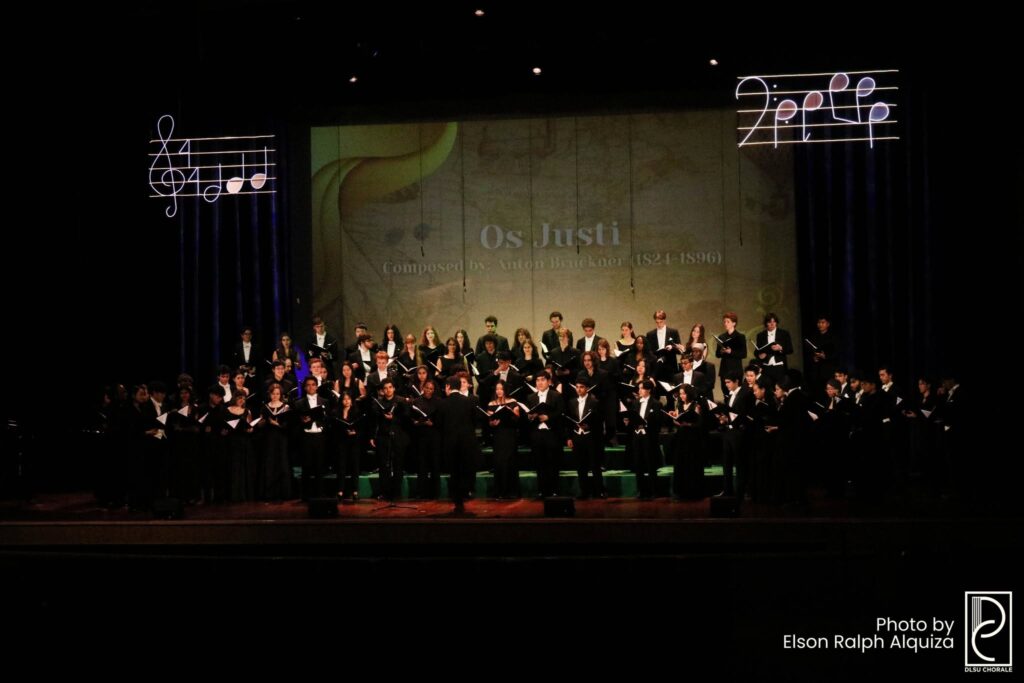
The De La Salle University Chorale (CHO) is more than the voices we hear onstage. Behind every performance lies an intricate network of people who handle member welfare, finances, documentation, marketing, production, talent management and logistics, all while being students themselves.
For many, the dream has always been to perform onstage. The thrilling experience of standing under the lights and sharing their voices with an audience is something many performers dream of. However, circumstances can sometimes change the narrative, bringing people to places they never saw themselves in.
For many managing members, this is the case. They have fallen so in love with the art of performing that they may overlook the work happening behind the scenes. But once placed in that position, they begin to see another side of the organization, one where their purpose extends beyond performing. Instead, they help build its culture, strengthen its systems and create an environment where others can continue to find fulfillment in performing.
With much of this work happening behind the spotlight, the audience rarely sees the meetings, documents, rehearsals, preparations and last-minute decisions that make a performance possible. These responsibilities are divided across six committees under the Division Managers and Talent Manager, each playing an important role in keeping CHO running.
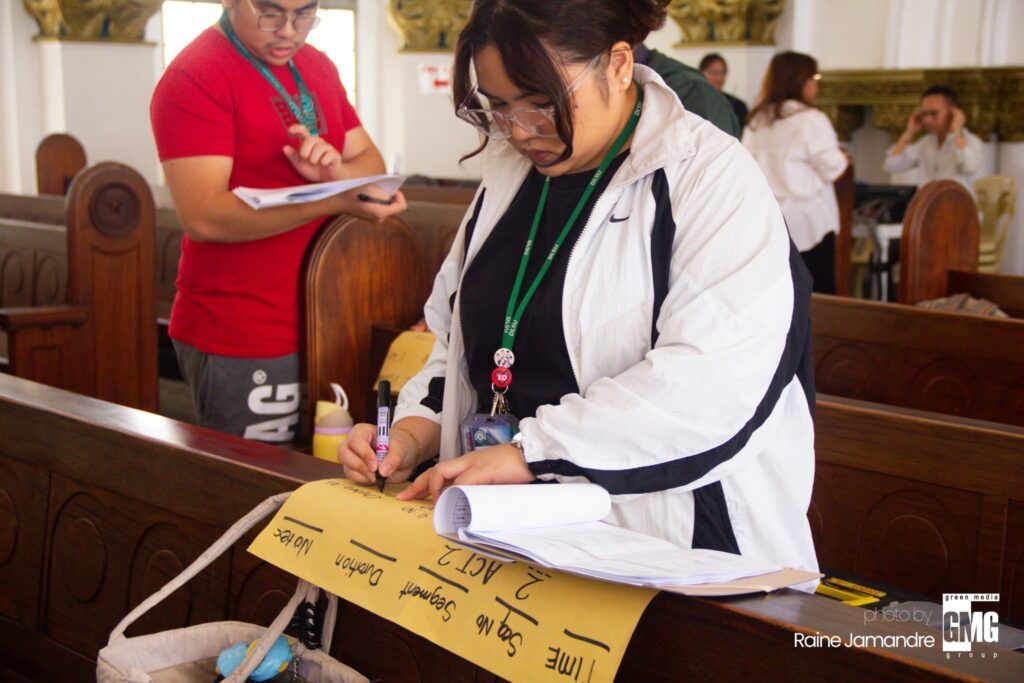
At its heart is the Human Resources Committee, which looks after the members and their concerns. Beyond addressing conflicts and member-related issues, the committee also works to build connections within the organization through activities such as movie nights, team-building activities and general assemblies. Its two subcommittees, Internal Affairs and External Affairs, help manage the different concerns that come with looking after CHO’s members.
Then comes the Marketing Committee, the brains behind CHO’s branding and visual identity. Divided into Externals, Internals, Creatives and Media, the committee handles the organization’s promotions and public presence. From collaborating with organizations inside and outside the university to creating publicity materials and monitoring CHO’s social media platforms, they ensure that the organization’s identity remains consistent while documenting the moments that happen along the way.
The Finance Committee ensures that CHO has the resources to turn its plans into reality. They monitor transactions, issue receipts and coordinate finance-related concerns with members. When production season rolls around, they also take on the responsibility of managing ticketing and sales.
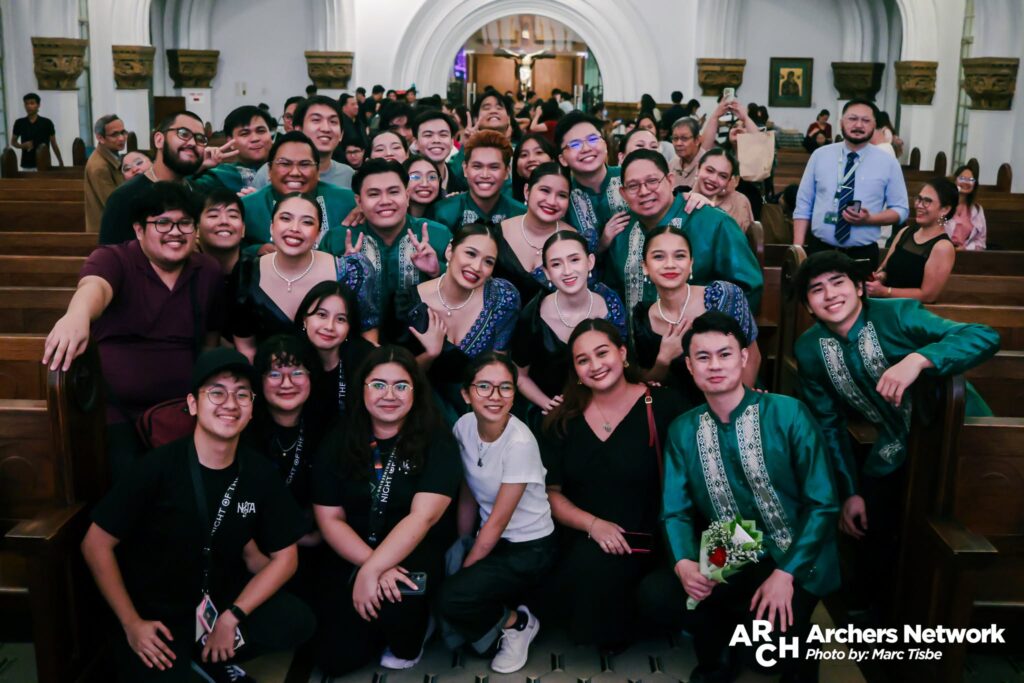
Beyond the university, CHO also takes on performance requests, competitions and tours, all of which require more than just performers who are ready to sing. The Documentation Committee takes care of the documents needed by CHO and its members for these opportunities. Its Systems Development subcommittee focuses on improving document automation and applications, making it easier for members to navigate the processes behind each performance.
The Production Committee, meanwhile, takes care of what audiences eventually see onstage. Its subcommittees, Stage Design and Management, Cleaning and Inventory, Writers, and Costume Management and Makeup, handle the preparations before, during, and after a production. From stage design and props to costumes, makeup, inventory, and written materials, their work ensures that the details behind every production are ready when the curtains open.
Lastly, the Talent Management Committee works to align members, requesting parties, and deadlines to keep performance opportunities running smoothly. Divided into Tracking, Documentation, and Communications, the committee handles information dissemination, secretariat work, and the organization of files and sign-ups, ensuring that members remain informed and that the different moving parts of each opportunity stay aligned.
But managing members are not confined to the committees they belong to. CHO also has a manager system for its performances, allowing nonperforming members from different committees to sign up for performance requests, competitions, and tours. As managers, they accompany performing members and assist with their concerns throughout these engagements, taking on another role in ensuring that CHO can perform beyond the university.
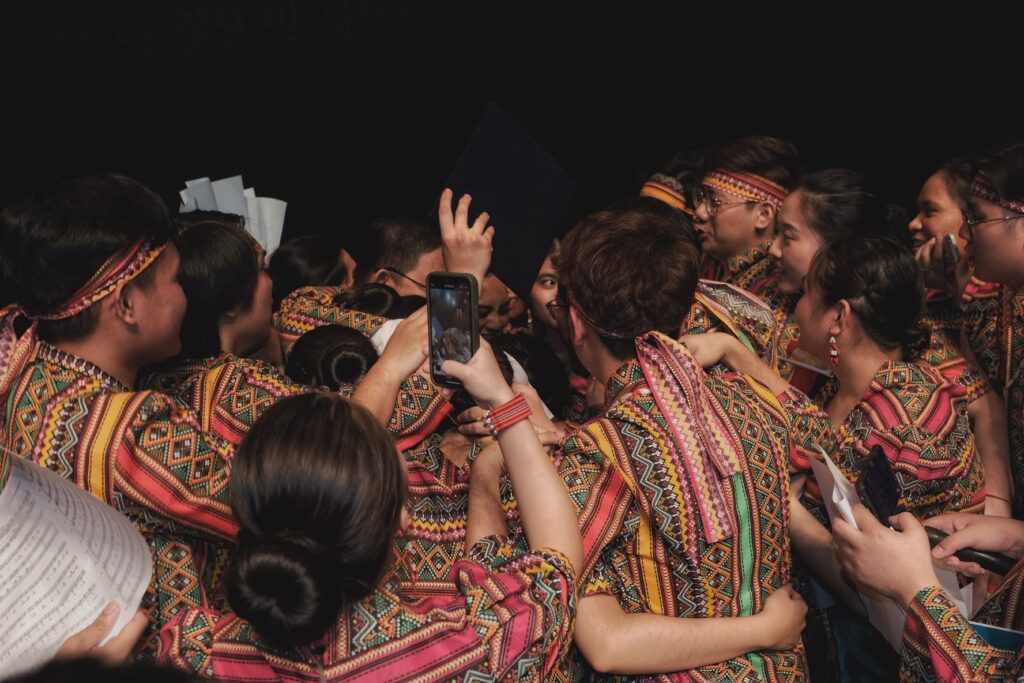
Together, these committees form the work that audiences rarely see. While performers take the stage, managing members make sure there is a stage to step onto, people ready to perform and a system that allows the organization to keep moving forward.
For outgoing Assistant Company Manager (ACM) Ar-yan Lopez, this however was not the role she initially imagined for herself. Having been a performing member of CHO since her freshman year, she never saw herself doing anything beyond performing. She had even promised herself that throughout college, she would only do things that brought her fulfillment.
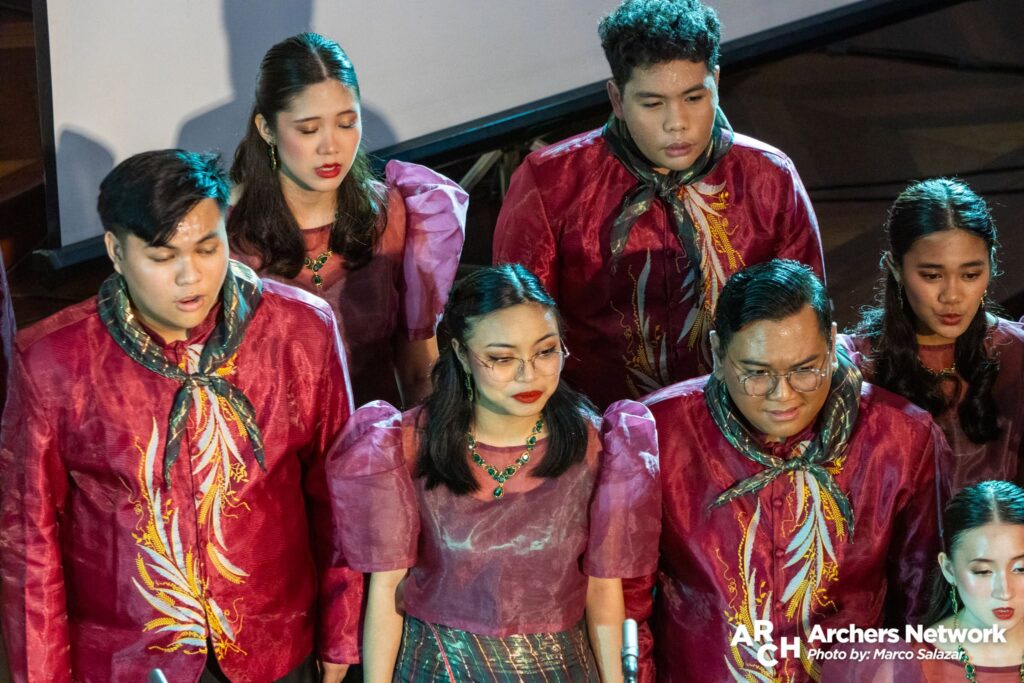
That changed when she was given the opportunity to become an ACM.
The decision left her caught between continuing to focus on performing and taking on a larger role in serving the organization. While the position came with responsibilities she had not initially envisioned for herself, she eventually realized that managing gave her another way to contribute. Through the role, she could use her skills to create and improve systems that members could use and benefit from.
Her transition from performer to managing member also led her to discover a different kind of fulfillment within CHO. Rather than being limited to what happens onstage, she found purpose in the work that happens behind it. She was able to build systems, improve processes and create opportunities for other members to perform.
This work eventually became part of the foundation behind CHO’s productions, including Echoes of a Decade. For Lopez, the production held a deeper significance as it is her last performance as a member of CHO. It became a culmination of her years as a performer and her work as an EB, while also giving her the opportunity to sing alongside alumni who had inspired her since her freshman year.
More than the performance itself, the production became a reflection of the work shared between CHO’s performing and managing members. Every rehearsal, preparation and last-minute decision contributed to the final performance, with each member playing a role in bringing it to life.
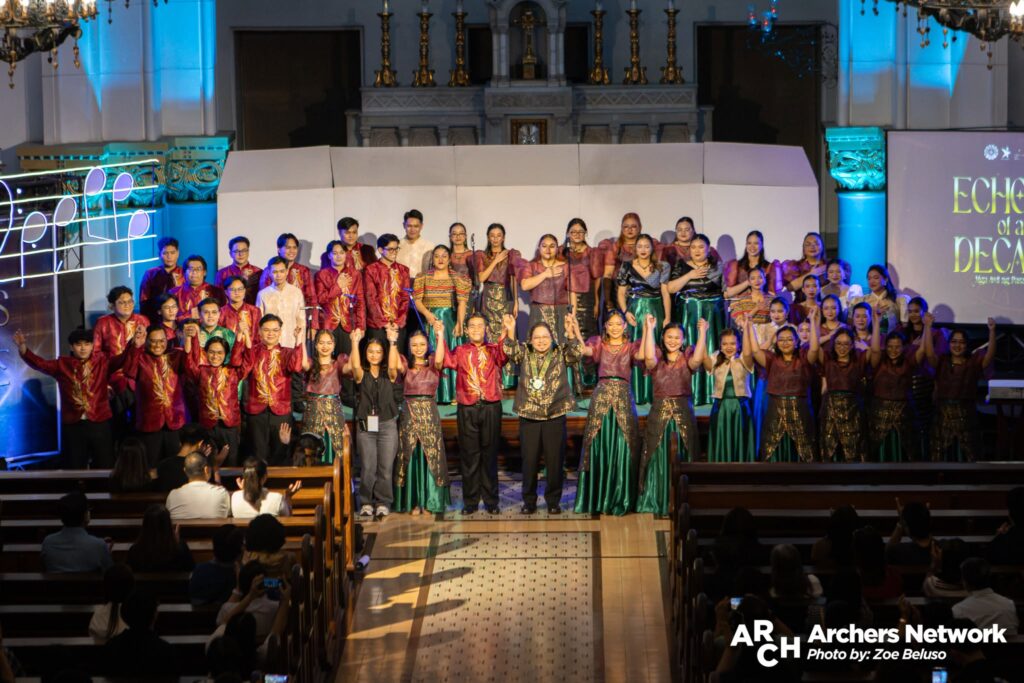
For the audience, the performance may end when the final note is sung. For the managing members behind it, the work continues long before the lights come on, and their contributions remain long after the curtains close.